Delivering expert disruption analysis to suit our clients’ needs and wants.
Disruption and productivity loss claims can be difficult to prove, with disrupted work often being intertwined with productive activity. However, financial impacts arising from the effects of disruption can be just as significant, if not more so, than critical path delays to projects. At Blake Newport, our experts go beyond the project programme to assess impacts of disruption in detail, combining industry-recognised techniques with a practical understanding of how projects are delivered.

Why Disruption Matters
Disruption arises from the interruption of the planned flow, sequence, or continuity of work, leading to a disturbance in project activities. Once properly demonstrated, disruption has a measurable and recoverable financial effect.
Disruption may not always affect the overall project duration, but it can still lead to claims for additional costs due to reduced labour or plant efficiency.
In all disruption cases, good records are key to success. At Blake Newport, our experts are skilled in applying industry-recognised analytical techniques to support your claim.
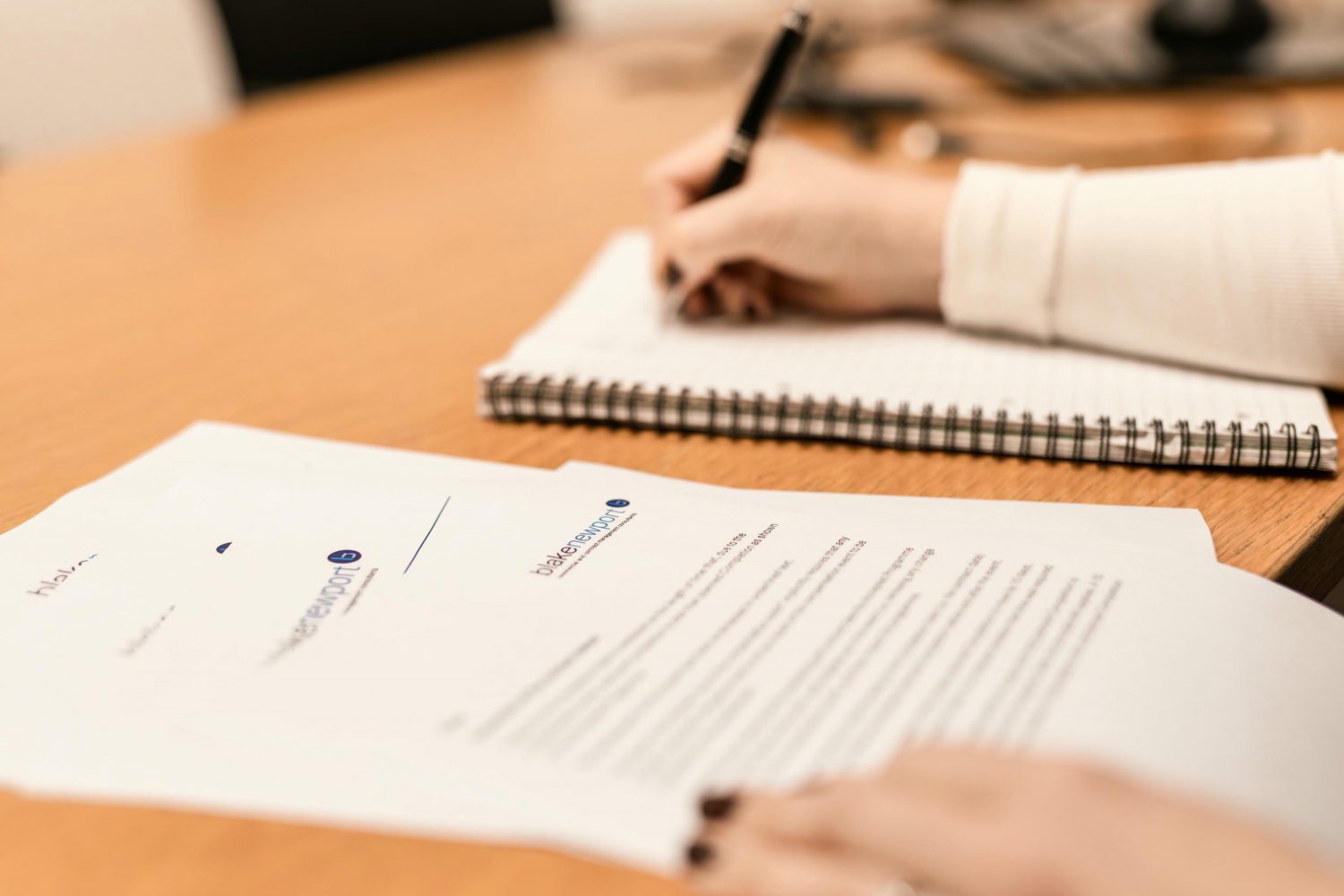
Blake Newport Disruption Expertise
Our team has delivered results across a wide range of construction and infrastructure projects, using industry-recognised tools such as Measured Mile Analysis, Earned Value Analysis, and Productivity Comparisons.
Reduced productivity, disruption to workflow or changes in sequence can all have significant consequences in terms of time and cost. This dual perspective allows us to identify and quantify these losses and help clients obtain the results that reflect true project impact.
Knowing what causes disputes, and understanding the risks early on and mitigating appropriately is the best way of preventing projects from heading towards disputes.
We work closely with clients to understand the specific circumstances of each project, ensuring that our analysis is tailored to project-specific scenarios. This includes expert evaluation of commercial impacts, exploration of time claims and quantification, and analysis of disruption at execution.
Discover more of our offerings
Expert Witness
Delay & Programme Services
Accredited by globally recognised professional bodies